How Ceramic Coating in San Jose Shields Your Paint from Salt Air Corrosion in Ceramic Coating San Jose, CA
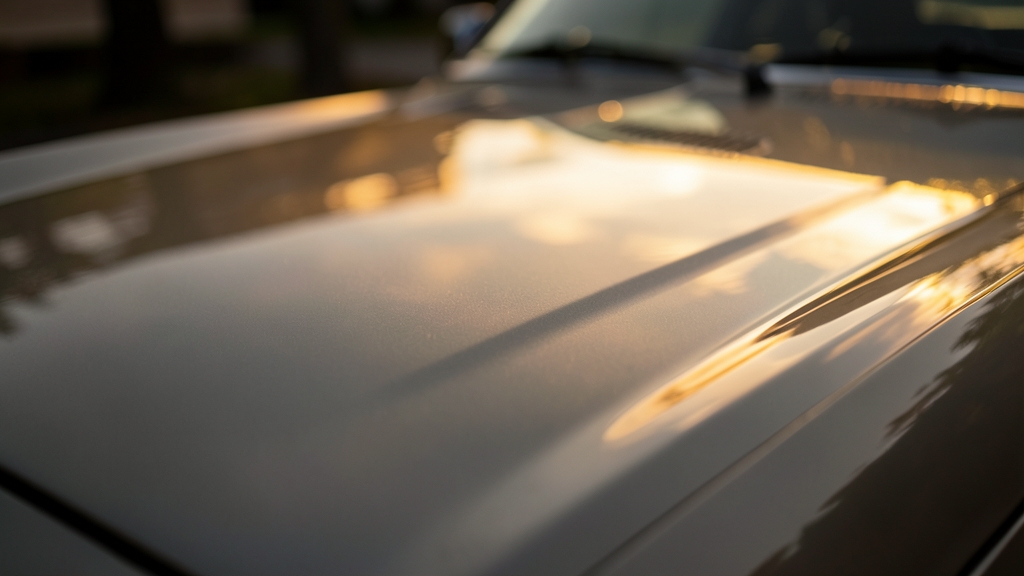
The Bay Area’s marine layer carries invisible enemies—salt, moisture, and industrial pollutants—that silently eat away at your car’s clear coat. We apply military-grade ceramic coatings to create a permanent barrier that repels these contaminants before they cause oxidation or fading.
Why Salt Air Is a Silent Killer for Bay Area Vehicles
San Jose sits close enough to the coast that the marine layer rolls in overnight, depositing microscopic salt crystals on every surface. These particles accelerate oxidation, especially on untreated paint.
Unlike rain or bird droppings, salt air damage is cumulative and often invisible until it’s too late. Even parked cars in Sunnyvale or Milpitas aren’t safe from its reach.
How Ceramic Coatings Chemically Bond to Your Paint
Our ceramic coatings use nano-ceramic polymers—primarily SiO2 (silica) and TiO2 (titanium dioxide)—that form a covalent bond with your vehicle’s clear coat. This isn’t a temporary sealant; it’s a semi-permanent layer.
Once cured, the coating cross-links at a molecular level, creating a hydrophobic surface that sheds water, salt, and grime. This bond also enhances gloss and depth, making your paint look wetter and richer.
Ceramic coatings amplify your paint’s condition. If swirl marks or scratches exist, we perform paint correction first. Otherwise, imperfections get locked in forever.
Salt Air vs. Ceramic Coatings: The Science of Protection
Salt (NaCl) dissociates into sodium and chloride ions in moisture. Chloride ions penetrate untreated clear coat, breaking down its molecular structure over time.
A properly applied ceramic coating in San Jose creates a non-porous shield. Its hydrophobic angle (typically 110°+) causes water to bead and roll off, taking salt particles with it before they can adhere.
| Protection Type | Durability | Salt Resistance | Hydrophobic Effect |
|---|---|---|---|
| Carnauba Wax | 1-3 months | Low | Mild |
| Synthetic Sealant | 4-6 months | Moderate | Moderate |
| Professional Ceramic Coating | 2-5+ years | High | Extreme |
The Step-by-Step Process for Maximum Salt Protection
We start with a thorough decontamination wash using pH-neutral soaps and iron-removing clay bars. This step removes embedded salt, tar, and industrial fallout that could interfere with bonding.
Next, we perform paint correction to eliminate swirls, scratches, and oxidation. Only a flawless surface ensures the coating adheres uniformly and lasts.
Beyond Paint: Full-Vehicle Ceramic Protection
Salt air doesn’t just attack paint. We also offer ceramic coatings for wheels, brake calipers, and glass. Wheels take a beating from brake dust and road salt—our coatings make them easier to clean and resist staining.
For interiors, we apply ceramic protection to leather, vinyl, and plastics. This prevents UV fading and repels spills, which is especially useful for families or fleet vehicles in Campbell or Cupertino.
For high-impact areas like hoods and bumpers, we recommend combining ceramic coating with PPF. The film absorbs rock chips, while the coating keeps the rest of the car salt-free.
Maintenance Tips to Extend Your Coating’s Life
Even with a ceramic coating, regular washing is critical. Use a pH-balanced car shampoo and a microfiber wash mitt to avoid introducing new scratches.
Avoid automatic car washes with harsh brushes—they can degrade the coating’s hydrophobic layer over time. Instead, opt for touchless washes or hand-wash at home.
Ceramic Coating Maintenance Essentials
- Wash every 2 weeks with pH-neutral soap
- Use a ceramic-safe quick detailer for water spots
- Reapply a ceramic boost spray every 6-12 months
- Avoid parking under trees (sap and bird droppings can etch)
Local Conditions That Demand Ceramic Coating in San Jose
The Bay Area’s unique climate—cool, foggy mornings followed by sunny afternoons—creates a perfect storm for salt air and UV damage. Ceramic coatings block 99% of UV rays, preventing fading and clear coat breakdown.
Neighborhoods near the bay, like those in Santa Clara or Milpitas, see higher salt exposure. But even inland areas benefit from the coating’s resistance to industrial pollutants and hard water spots.
How to Prepare Your Car for a Ceramic Coating in San Jose
Proper prep is 80% of the battle—here’s how we ensure a flawless finish.
- 1Deep Clean and Decontaminate
We use a foam cannon to lift dirt, followed by a clay bar treatment to remove embedded contaminants like salt and iron particles.
- 2Paint Correction
Using dual-action polishers and fine abrasives, we eliminate swirl marks, scratches, and oxidation to restore a mirror-like finish.
- 3Surface Prep
We wipe down the paint with an IPA (isopropyl alcohol) solution to remove oils and residues, ensuring a clean surface for bonding.
- 4Coating Application
The ceramic coating is applied in thin, even layers using microfiber applicators. We allow proper flash times between layers for optimal cross-linking.
- 5Curing Process
The car must stay dry for 24-48 hours post-application. Full curing takes 7-14 days, during which we advise avoiding automatic car washes or harsh chemicals.
Frequently Asked Questions
How long does a ceramic coating last in San Jose’s climate?
With proper maintenance, our professional ceramic coatings last 2-5+ years. The Bay Area’s salt air and UV exposure can shorten this slightly, but regular washing and ceramic boost sprays extend longevity.
Can ceramic coating prevent rust from salt air?
Ceramic coatings significantly slow down oxidation by blocking salt and moisture. However, they’re not a rust-proof solution for existing damage. For rust-prone areas, we recommend combining ceramic coating with PPF or undercoating.
Is ceramic coating worth it for older cars in Ceramic Coating San Jose?
Absolutely. Older cars often have faded or oxidized paint that benefits the most from a coating’s UV protection and gloss enhancement. We’ll first assess if paint correction is needed to restore the surface before applying the coating.
Does ceramic coating work on matte or satin paint?
Yes, but it requires a specialized matte ceramic coating. Standard coatings add gloss, which would ruin a matte finish. We carry matte-specific formulas that preserve the flat look while adding protection.
How does ceramic coating compare to Paint Protection Film (PPF) for salt air?
PPF offers superior protection against physical damage like rock chips, while ceramic coatings excel at chemical resistance (salt, UV, bird droppings). For maximum defense, we often layer both: PPF on high-impact areas and ceramic coating everywhere else.
Can I apply ceramic coating myself, or should I hire a pro in Ceramic Coating San Jose?
DIY ceramic coatings are available, but they lack the durability and depth of professional-grade products. Our team uses commercial-grade coatings and has the tools, training, and controlled environment to ensure a flawless, long-lasting finish.