How Ceramic Coating Protects Your Car and the San Jose Environment in Ceramic Coating San Jose, CA
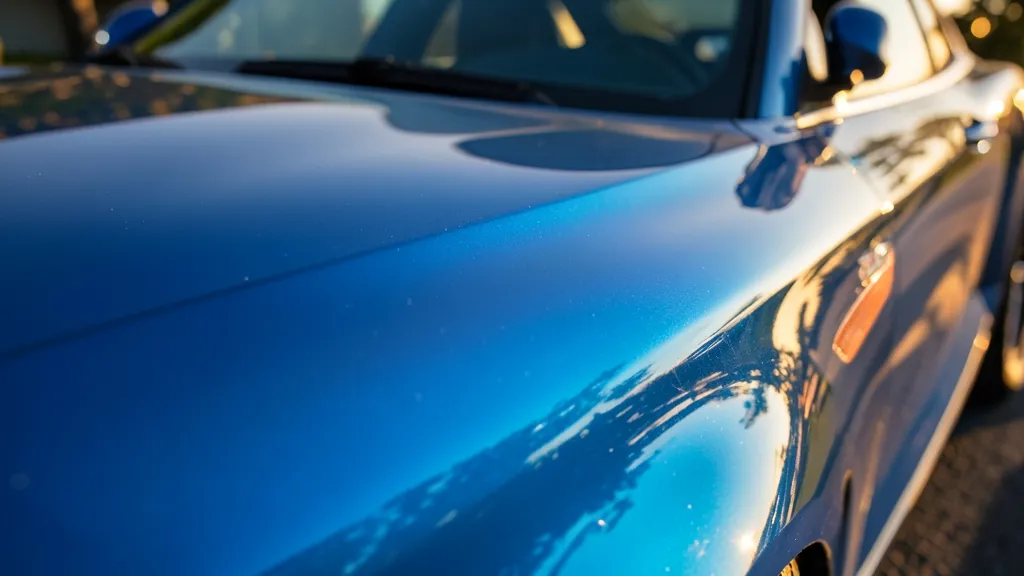
San Jose’s sunny climate and urban pollution take a toll on your car’s finish. Ceramic coating doesn’t just shield paint—it cuts water, chemical, and waste use, making it a smarter choice for eco-conscious drivers. Our team explains how this technology benefits both your vehicle and the local environment.
Why San Jose Drivers Need Longer-Lasting Protection
The Bay Area’s intense UV exposure and dry seasons accelerate paint oxidation, fading, and clear coat breakdown. A quality ceramic coating forms a permanent bond with your paint, resisting these elements far longer than wax or sealants.
Unlike traditional products that degrade in months, nano-ceramic coatings last years. That means fewer re-applications, less product waste, and a smaller carbon footprint over time.
Less Water, Fewer Chemicals: The Hydrophobic Advantage
Ceramic coatings create an ultra-hydrophobic surface that repels water, dirt, and grime. This self-cleaning effect means you can often rinse off contaminants with just water—no harsh soaps or excessive scrubbing required.
For San Jose drivers, this translates to fewer trips to the car wash, reducing water consumption by up to 70% compared to traditional cleaning methods. It’s a win for your paint and the region’s drought-sensitive water supply.
Reducing VOCs and Harmful Runoff
Many conventional car care products contain volatile organic compounds (VOCs) that evaporate into the air, contributing to smog—a real concern in the South Bay. Ceramic coatings are VOC-free once cured, eliminating this source of pollution.
Additionally, the coating’s chemical resistance prevents acidic contaminants (like bird droppings or road salt) from etching your paint. This reduces the need for aggressive cleaners that can wash into storm drains and local waterways.
Use pH-neutral, ceramic-safe shampoos for occasional deep cleans. Avoid petroleum-based products that can degrade the coating and harm the environment.
Ceramic Coating vs. Traditional Wax: Environmental Impact
Wax and sealants require frequent reapplication, generating plastic packaging waste and chemical runoff. Ceramic coatings, applied once every few years, drastically cut this cycle of consumption and disposal.
| Factor | Ceramic Coating | Traditional Wax |
|---|---|---|
| Lifespan | 3-5+ years | 2-6 months |
| Reapplication Frequency | Rare | Every 2-6 months |
| VOC Content | None (post-cure) | Often high |
| Water Usage | Reduced (hydrophobic) | Standard |
| Packaging Waste | Minimal | High (frequent bottles) |
Protection Against San Jose’s Urban Pollutants
From brake dust in Sunnyvale to industrial fallout near Milpitas, Bay Area roads are tough on paint. Ceramic coatings create a sacrificial layer that resists these contaminants, preventing them from bonding to your clear coat.
This barrier also simplifies decontamination. Iron particles and tar, which often require harsh chemicals to remove, lift away more easily—reducing the need for abrasive cleaners that pollute local ecosystems.
Pairing Ceramic Coating with Other Eco-Conscious Services
For maximum environmental and protective benefits, we often combine ceramic coating with paint correction in Santa Clara or PPF installation in Cupertino. Paint correction removes existing defects, ensuring the coating bonds perfectly, while PPF adds a physical shield against rock chips.
Ceramic window tint reduces interior heat buildup, lowering A/C use—a small but meaningful fuel savings. Even wheel and brake caliper coatings cut brake dust adhesion, reducing the need for frequent wheel cleaners.
Eco-Upgrades for Your Vehicle
- Full-vehicle ceramic coating for paint protection
- Paint Protection Film (PPF) for high-impact areas
- Ceramic window tint for UV and heat rejection
- Wheel ceramic coating to minimize brake dust buildup
Long-Term Savings for You and the Planet
While the upfront investment in ceramic coating is higher than wax, the long-term savings are clear. Fewer washes, less product use, and reduced paint correction needs add up. Plus, a well-maintained coat preserves resale value, extending your car’s life cycle.
For fleet and commercial vehicles in Campbell or San Jose, the benefits scale even further. Reduced maintenance downtime and lower water/chemical use make ceramic coating a sustainable choice for businesses.
Coating costs depend on vehicle size, paint condition, and chosen package (e.g., single-stage vs. multi-layer). Contact us for a tailored estimate—no hidden fees, just transparent pricing.
How to Maintain Your Ceramic Coating for Maximum Eco-Benefits
Proper care extends your coating’s life and environmental advantages.
- 1Rinse Regularly
Use a pressure washer or hose to remove loose dirt. The hydrophobic surface does most of the work—no need for harsh pre-soaks.
- 2Use Ceramic-Safe Products
Opt for pH-neutral car shampoos and microfiber wash mitts. Avoid automatic car washes with abrasive brushes or strong detergents.
- 3Dry with a Blower or Microfiber Towel
Prevent water spots by drying thoroughly. A leaf blower or high-quality microfiber towel won’t scratch the coating.
- 4Reapply a Top-Up Spray (Optional)
Every 6-12 months, use a ceramic boost spray to refresh hydrophobicity. This extends the coating’s effectiveness without full reapplication.
- 5Address Contaminants Promptly
Remove bird droppings, bug splatter, or tree sap ASAP with a dedicated ceramic-safe cleaner to prevent etching.
Frequently Asked Questions
Does ceramic coating eliminate the need for car washes entirely in San Jose?
No, but it drastically reduces frequency. The hydrophobic effect means you can often rinse off dirt with water alone. For heavy buildup, a gentle hand wash with ceramic-safe soap is still recommended every few months.
How does ceramic coating compare to paint protection film for environmental benefits?
Both reduce the need for frequent paint correction, but PPF is a physical barrier against chips and scratches, while ceramic coating offers chemical resistance and self-cleaning properties. Many drivers in Cupertino or Milpitas combine both for ultimate protection.
Is ceramic coating safe for electric or hybrid vehicles?
Absolutely. In fact, it’s ideal for EVs in Santa Clara or Sunnyvale, as it protects the paint from the same contaminants while reducing the need for water-intensive washes—aligning with the eco-conscious ethos of electric vehicle ownership.
Can ceramic coating be applied to older cars, or is it only for new vehicles?
It works on any car, but older vehicles may need paint correction first to remove swirls, oxidation, or scratches. This ensures the coating bonds to a smooth, clean surface for maximum durability and appearance.
What’s the biggest environmental benefit of ceramic coating for San Jose drivers?
The reduction in water and chemical use is the most immediate impact. Over years, the decreased need for reapplication, less packaging waste, and lower VOC emissions from maintenance products add up to a significant eco-advantage.
Do you offer ceramic coating for commercial fleets in the Bay Area?
Yes. Fleet vehicles in San Jose, Campbell, or beyond benefit from reduced maintenance time and costs, as well as the environmental perks of less water and chemical use. We tailor packages for businesses of all sizes.