How to Dry Your Car Without Scratching Your Ceramic Coating in San Jose in Ceramic Coating San Jose, CA
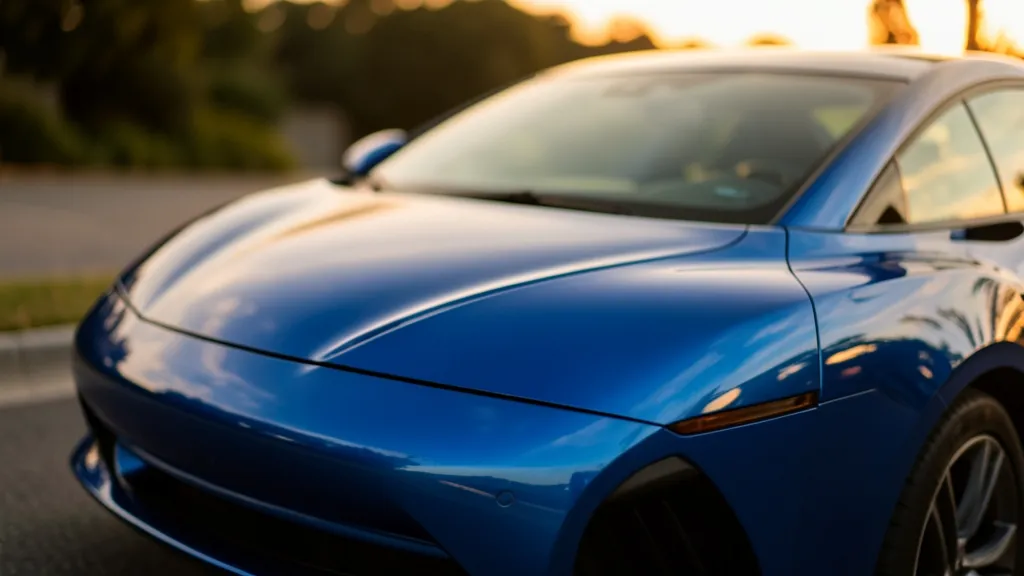
Ceramic coatings repel water and contaminants, but improper drying can still introduce swirls or marring. In San Jose’s dry climate, hard water and dust make safe drying even more critical. We’ll show you how to dry without compromising your investment.
Why Drying Technique Matters for Ceramic-Coated Cars
Ceramic coatings add a hydrophobic layer, but they’re not invincible. Abrasive drying can dull the finish or leave micro-scratches that require paint correction to fix.
San Jose’s hard water leaves mineral deposits that etch into clear coat if not removed properly. Even a coated surface needs careful handling to maintain its gloss and longevity.
Tools You Need for Safe Drying
Use high-quality, plush microfiber towels (1600+ GSM) or a synthetic chamois. Avoid cotton or paper towels—they trap grit and scratch.
A leaf blower or compressed air gun removes water from crevices without contact. For wheels, a dedicated microfiber or a blower prevents brake dust from marring the ceramic coating on calipers.
Essential Drying Tools
- Plush microfiber drying towels (1600+ GSM)
- Synthetic chamois or waffle-weave towel
- Leaf blower or compressed air gun
- Grit guards for wash bucket
- Separate wheel-drying towel
The Two-Towel Method: A Pro Detailer’s Approach
Start with a damp microfiber towel to lift remaining water and loose contaminants. Follow with a dry plush towel to absorb moisture without dragging debris.
This method is especially effective after a foam cannon wash in Sunnyvale or Santa Clara, where road grime and pollen are common.
Blower vs. Towel: Which Is Better for Ceramic Coating?
Blowers eliminate contact entirely, ideal for intricate areas like mirrors, grilles, and emblems. However, they can blow dust back onto the surface if used in windy conditions common in Milpitas.
Towels offer more control for large panels but require proper technique to avoid swirls. In Cupertino’s dry heat, a blower can prevent water spots before they form.
| Method | Pros | Cons |
|---|---|---|
| Leaf Blower / Air Gun | No physical contact, great for crevices, prevents water spots | Can redistribute dust, noisy, requires power source |
| Plush Microfiber Towel | Controlled, absorbs water efficiently, portable | Risk of swirls if dirty, less effective in tight spaces |
| Synthetic Chamois | Highly absorbent, flexible for curves | Can hold grit if not rinsed, may require conditioning |
Step-by-Step: The Safest Drying Process
Begin by rinsing the car thoroughly with the pressure washer to remove loose dirt. Then, use the blower to remove 80% of the water from the surface and crevices.
Common Mistakes That Damage Ceramic Coatings
Using a dirty towel often causes swirl marks. Always wash microfiber towels separately from other laundry to avoid lint or embedded grit.
Drying in direct sunlight (common in Campbell) can cause water to evaporate too quickly, leaving behind mineral deposits. Work in the shade or use a carport.
Never use a circular motion when drying. Straight-line patterns (top to bottom) prevent swirl marks and maintain the coating’s clarity.
Maintaining Your Ceramic Coating Between Washes
Regularly remove dust with a blower or a high-quality dusting spray to prevent buildup. This is especially important in San Jose, where pollen and construction dust are prevalent.
For wheels, a quick rinse with a pressure wasser followed by a blower keeps brake dust from bonding to the ceramic coating on calipers or barrels.
After drying, a quick spray of a ceramic-boosting detailer (like a SiO2 spray) enhances hydrophobicity and adds UV protection. Ideal for cars parked outdoors in Cupertino or Sunnyvale.
When to Consider Professional Help
If you notice water spots etching into the clear coat or excessive swirls, it may be time for paint correction followed by a ceramic coating refresh. Our team serves San Jose, Santa Clara, and beyond.
For fleet or commercial vehicles in Milpitas or Campbell, professional drying techniques and coatings can save time and maintain a uniform, protected finish.
How to Dry Your Ceramic-Coated Car Like a Pro
Follow these steps to dry your car safely and preserve your ceramic coating’s integrity.
- 1Pre-Rinse and Wash
Use the two-bucket method with grit guards to wash your car. Rinse thoroughly with a pressure wasser to remove all soap and loose contaminants.
- 2Blow Off Excess Water
Use a leaf blower or compressed air gun to remove water from panels, mirrors, and crevices. Work from top to bottom.
- 3Pat Dry with a Plush Towel
Use a clean, high-GSM microfiber towel in straight lines to absorb remaining water. Flip the towel frequently to a dry side.
- 4Dry Wheels and Tires Separately
Use a dedicated microfiber towel or blower for wheels to avoid cross-contamination from brake dust.
- 5Inspect for Missed Spots
Check for water in seams, under door handles, or around emblems. Use the blower or a small microfiber towel to dry these areas.
- 6Apply a Quick Detailer (Optional)
Spray a ceramic-boosting detailer onto a fresh microfiber towel and wipe the surface for added protection and shine.
Frequently Asked Questions
Can I use a regular bath towel to dry my ceramic-coated car in San Jose?
No. Regular towels have coarse fibers that can scratch the coating. Stick to plush microfiber (1600+ GSM) or a synthetic chamois to avoid swirls and marring.
How often should I wash and dry my car to maintain the ceramic coating?
Wash every 1-2 weeks, especially in San Jose’s dusty climate. Regular washing and proper drying prevent contaminants from bonding to the coating, which can reduce its lifespan.
Will a ceramic coating prevent water spots entirely?
Ceramic coatings reduce water spots by repelling water, but hard water minerals can still etch if left to dry. Always dry your car promptly, especially in areas like Sunnyvale with high mineral content.
Is a blower necessary for drying a ceramic-coated car?
Not necessary, but highly recommended. A blower minimizes contact, reducing the risk of swirls. It’s particularly useful for drying intricate areas like grilles and side mirrors.
What’s the best way to dry my car after a rainstorm in San Jose?
Use a blower first to remove standing water, then follow with a plush microfiber towel. Avoid drying in direct sunlight, as the heat can cause water to evaporate too quickly, leaving spots.
Can improper drying void my ceramic coating warranty?
Most warranties cover defects in the coating itself, but damage from improper care (like scratching) is typically not covered. Always follow best practices to protect your investment.