How to Remove Water Spots Before Applying Ceramic Coating in San Jose in Ceramic Coating San Jose, CA
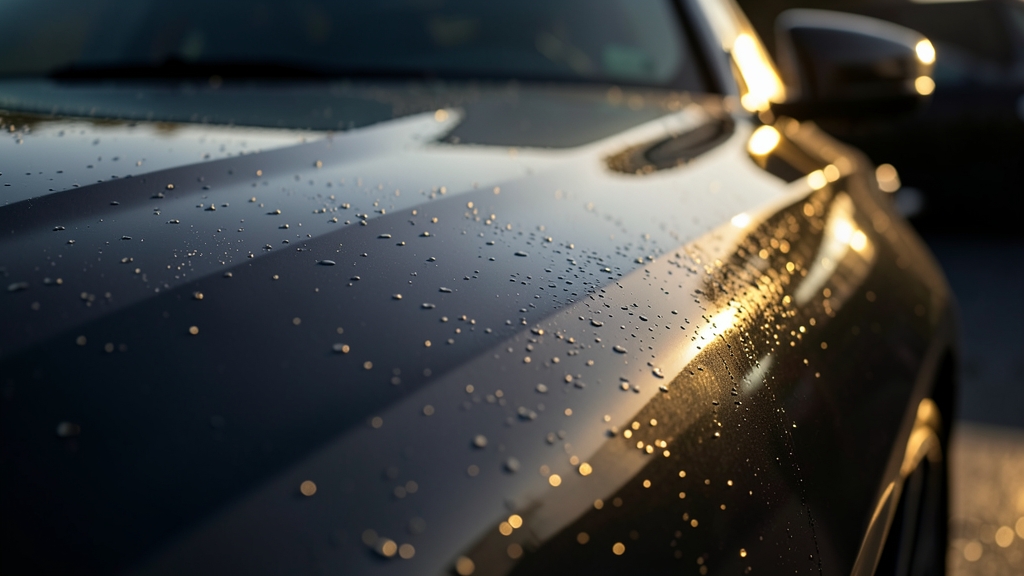
Water spots are more than an eyesore—they can sabotage ceramic coating adhesion if left untreated. In San Jose’s hard water climate, mineral deposits etch into clear coat, requiring thorough decontamination before any coating application. We’ll walk you through the pro-grade process to ensure a flawless finish.
Why Water Spots Ruin Ceramic Coating Adhesion
Water spots are mineral deposits—primarily calcium and magnesium—left behind when hard water evaporates. These deposits bond to your paint, creating microscopic rough patches that prevent ceramic coatings from adhering uniformly.
In San Jose, frequent droughts and irrigation runoff make hard water spots a common issue. Even light etching can cause coating failure, peeling, or uneven gloss over time.
Types of Water Spots: Surface vs. Etched
Surface water spots sit on top of the clear coat and can often be removed with detailing clay or a mild chemical cleaner. These are the easiest to tackle and pose the least risk to your paint.
Etched water spots have already begun to corrode the clear coat, leaving behind permanent marks. These require compounding or polishing—part of our paint correction process—to restore the surface before coating.
| Characteristic | Surface Water Spots | Etched Water Spots |
|---|---|---|
| Appearance | White or chalky residue | Hazy, rough, or pitted marks |
| Removal Method | Clay bar, iron remover, or pH-neutral cleaner | Compounding, polishing, or wet sanding |
| Risk to Paint | Low (if addressed early) | High (can lead to clear coat damage) |
Step 1: Wash and Decontaminate the Surface
Start with a thorough two-bucket wash using a pH-neutral automotive shampoo. This removes loose dirt and grime without stripping existing wax or sealants, which is critical for accurate contamination assessment.
San Jose’s dusty conditions mean embedded contaminants are common. A foam cannon can help lift particles before physical contact, reducing the risk of swirl marks during prep.
Place a grit guard in your wash bucket to trap dirt at the bottom. This prevents re-depositing contaminants onto your paint during the wash process.
Step 2: Chemical Decontamination for Stubborn Spots
After washing, apply an iron remover spray to dissolve embedded brake dust and mineral deposits. This step is non-negotiable in areas like Sunnyvale or Milpitas, where road grime accumulates quickly.
For water spots, a dedicated water spot remover with mild acids (like citric or oxalic acid) can break down mineral bonds. Always test on a small area first to ensure compatibility with your paint.
Step 3: Clay Bar Treatment for Surface Contaminants
Use a high-quality detailing clay bar with a lubricant (detailer spray or diluted shampoo) to physically lift remaining surface contaminants. Work in small sections, kneading the clay frequently to expose a clean surface.
In Santa Clara’s dry climate, static can cause dust to cling to paint. A clay bar ensures these particles don’t interfere with ceramic coating bonding.
Never use a clay bar on a dry surface. This can cause marring or scratches, especially on softer clear coats found on luxury or older vehicles.
Step 4: Inspect for Etched Spots
After decontamination, dry the vehicle and inspect the paint under direct light. Run your fingertips over the surface—etched spots will feel rough or uneven.
If etching is present, paint correction is required. This may involve machine polishing with a fine compound to restore clarity. For severe cases, wet sanding might be necessary before ceramic coating in Cupertino or Campbell.
When to Call in the Pros for Paint Correction
If you’re unsure about the depth of etching or lack the tools for correction, our team can assess and restore your paint. Paint correction is a precision task—one wrong move can cause permanent damage.
We often combine paint correction with full-vehicle ceramic coating services for clients in San Jose and nearby areas. This ensures optimal adhesion and longevity, especially for high-end or fleet vehicles.
Signs You Need Professional Paint Correction
- Visible swirl marks or holograms under direct light
- Deep water spot etching that feels rough to the touch
- Oxidation or fading on older vehicles
- Previous DIY polishing attempts that worsened the finish
Final Prep: IPA Wipe-Down for Ceramic Coating
Before applying ceramic coating, perform a final wipe-down with isopropyl alcohol (IPA) mixed with distilled water (50/50). This removes any remaining oils, waxes, or residues that could hinder bonding.
Use a lint-free microfiber towel to avoid leaving fibers behind. This step is critical for coating durability, whether you’re in San Jose, Santa Clara, or Sunnyvale.
Use 70% or higher IPA for effective cleaning. Lower concentrations may leave behind residues that compromise ceramic coating adhesion.
How to Remove Water Spots Before Ceramic Coating
Follow this step-by-step process to ensure your paint is water spot-free and ready for ceramic coating.
- 1Wash the Vehicle
Use a pH-neutral shampoo and the two-bucket method to remove loose dirt. Dry with a clean microfiber towel to prevent new water spots.
- 2Apply Iron Remover
Spray an iron remover on the paint and let it dwell for 3-5 minutes. Rinse thoroughly to remove dissolved contaminants.
- 3Clay Bar Treatment
Lubricate the surface and gently glide the clay bar over the paint to pick up embedded particles. Re-knead the clay frequently.
- 4Inspect for Etching
Check the paint under bright light and by touch. If etching is present, use a fine polishing compound to restore the surface.
- 5IPA Wipe-Down
Mix 50/50 IPA and distilled water, then wipe down the entire vehicle with a lint-free towel to remove final residues.
Frequently Asked Questions
Can water spots be removed without polishing?
Surface water spots can often be removed with chemical cleaners or clay bars. However, etched spots require polishing or compounding to restore the clear coat before ceramic coating application.
How do I know if my water spots are etched?
Etched water spots will feel rough to the touch and may appear hazy or discolored under direct light. If they don’t come off with a clay bar or water spot remover, they’re likely etched.
Is it safe to use vinegar to remove water spots?
While vinegar can dissolve mineral deposits, it’s acidic and may damage your clear coat if left too long or used undiluted. We recommend using a dedicated automotive water spot remover for safety.
How long does it take to prep a car for ceramic coating in San Jose?
Prep time varies based on the vehicle’s condition. A lightly contaminated car may take 4-6 hours, while a heavily etched or oxidized vehicle could require a full day for paint correction and decontamination.
Will ceramic coating prevent future water spots?
Ceramic coatings add a hydrophobic layer that repels water, reducing the likelihood of water spots forming. However, hard water minerals can still deposit on the coating, so regular maintenance is key.
Do you offer mobile water spot removal and ceramic coating services in San Jose?
We provide mobile and in-shop services for water spot removal, paint correction, and ceramic coating. Request a quote to discuss your vehicle’s needs and our availability in your area.