PPF or Ceramic Coating? A San Jose Mechanic’s Perspective on Paint Protection in Ceramic Coating San Jose
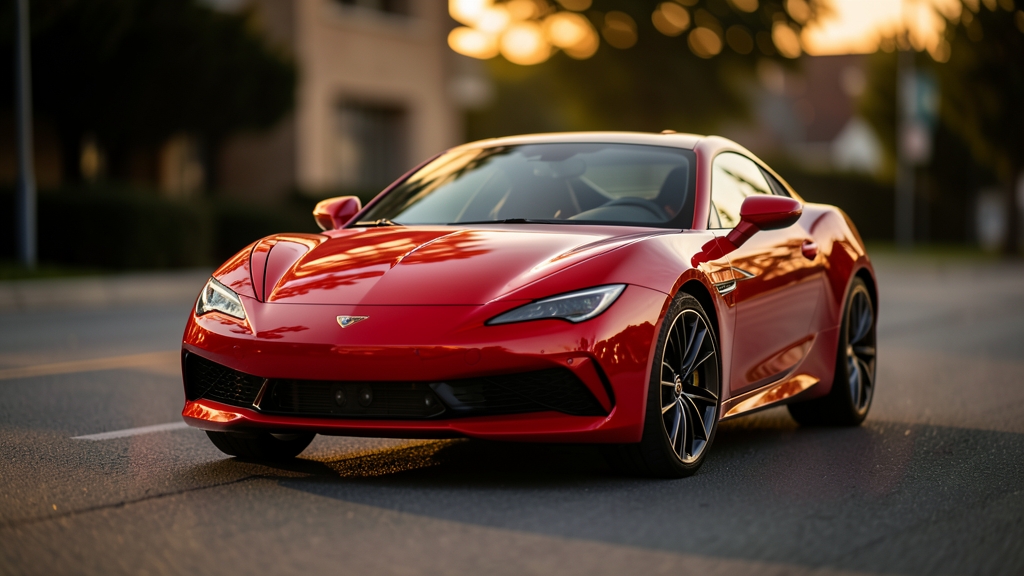
Choosing between Paint Protection Film and ceramic coating can feel overwhelming. As local experts, we’ve seen both excel in San Jose’s sunny, dusty climate—each with distinct strengths for different driving needs. Here’s how to decide what’s right for your ride.
Why Paint Protection Matters in the Bay Area
San Jose’s intense UV exposure and frequent highway debris take a toll on paint. Without protection, clear coats fade, and swirl marks appear faster than in milder climates.
Dust from dry seasons and road salt in winter (yes, even here) accelerate wear. Proactive protection preserves resale value and keeps your car looking showroom-fresh.
What Is Paint Protection Film (PPF)?
PPF, or clear bra, is a thick, self-healing urethane film applied to high-impact areas like hoods, bumpers, and rocker panels. It absorbs rocks, scratches, and bug splatter without damaging paint.
Modern PPF is nearly invisible, with glossy finishes that blend seamlessly. Some films even include ceramic top coats for added hydrophobic properties.
High-quality PPF can last 7–10 years with proper care, outlasting most ceramic coatings in raw durability against physical damage.
What Is Ceramic Coating?
Ceramic coatings are liquid polymers that bond with paint at a molecular level, creating a hydrophobic, UV-resistant layer. They enhance gloss, repel water, and make washing easier.
Unlike PPF, coatings cover the entire vehicle, including curves and crevices. They won’t stop rock chips but excel at preventing chemical stains, bird droppings, and water spots.
PPF vs. Ceramic Coating: Head-to-Head Comparison
Both protect paint, but their approaches differ. PPF is a physical shield; ceramic coating is a chemical barrier. The right choice depends on your priorities: impact resistance or long-term ease of maintenance.
| Feature | Paint Protection Film (PPF) | Ceramic Coating |
|---|---|---|
| Primary Protection | Physical impact (rocks, scratches) | Chemical/UV (stains, fading, oxidation) |
| Self-Healing | Yes (minor scratches) | No (unless paired with PPF) |
| Longevity | 7–10 years | 2–5 years |
| Gloss Enhancement | Moderate (depends on film) | High (deep, mirror-like shine) |
| Maintenance | Low (wash as usual) | Low (hydrophobic properties reduce dirt buildup) |
| Full-Vehicle Coverage | No (partial application typical) | Yes |
| Cost Factors | Material grade, coverage area, labor | Coating tier, layers, prep work (paint correction) |
| Best For | Daily drivers, off-road, high-impact zones | Show cars, gloss lovers, easy upkeep |
Where Each Excels on San Jose Roads
PPF shines on highways like 280 or 101, where rock chips are common. We often recommend full front-end PPF for commuters in Milpitas or Sunnyvale.
Ceramic coatings are ideal for cars parked outside in Cupertino or Campbell, where UV and bird droppings are constant threats. Pair it with PPF on high-impact areas for ultimate protection.
For maximum defense, combine PPF on vulnerable areas (bumper, hood) with a full ceramic coating. This is our most requested setup for luxury and performance vehicles.
Prep Work: The Unsung Hero of Longevity
Both PPF and ceramic coatings require meticulous prep. For coatings, paint correction and polishing are non-negotiable—any imperfections get locked in permanently.
PPF also demands a clean, contaminant-free surface. Skipping prep leads to peeling, bubbling, or poor adhesion, especially in our fluctuating Bay Area temps.
Pre-Installation Must-Dos
- Thorough wash and decontamination (clay bar, iron remover)
- Paint correction (compound/polish for coatings)
- Alcohol wipe-down to remove oils
- Dry, dust-free environment (critical for PPF)
Maintenance: Keeping Your Protection Intact
Ceramic coatings need reapplication every 2–5 years, depending on the product and care. Avoid automatic car washes with harsh brushes—they degrade the coating faster.
PPF is lower maintenance but should be washed with pH-neutral soaps. Self-healing films repair minor scratches with heat (sunlight or warm water).
Never use wax or sealants on PPF or ceramic coatings—they interfere with hydrophobic properties and can leave residues.
Related Services to Enhance Your Protection
Paint correction is often bundled with ceramic coatings to ensure a flawless base. In Santa Clara, we see many clients opt for this combo before applying a coating.
For full protection, consider ceramic window tint to block UV rays and reduce heat, or wheel and brake caliper coatings to prevent brake dust buildup. Fleet vehicles in San Jose benefit from commercial-grade coatings for durability.
How to Choose Between PPF and Ceramic Coating
Narrow down your needs with this step-by-step guide.
- 1Assess Your Driving Habits
Do you drive daily on highways or park under trees? High-impact risk favors PPF. Mostly city driving? Ceramic coating may suffice.
- 2Prioritize Your Goals
Want scratch resistance? PPF wins. Craving a mirror finish and easier cleaning? Ceramic coating is the answer.
- 3Consider Your Budget
PPF is pricier upfront for full coverage, but ceramic coatings require more frequent reapplication. Factor in long-term costs and request a quote.
- 4Evaluate Your Vehicle’s Condition
New or near-flawless paint? Either option works. Older paint with swirls or oxidation? Paint correction plus ceramic coating can restore and protect.
- 5Think About Longevity
PPF lasts longer against physical damage, while ceramic coatings offer better UV and chemical resistance. Hybrid setups (PPF + coating) maximize both.
Frequently Asked Questions
Can I apply ceramic coating over PPF?
Yes, and we often recommend it. A ceramic coating on top of PPF enhances hydrophobic properties, making the film easier to clean and more resistant to stains. This is popular among San Jose drivers who want the best of both worlds.
How long does a ceramic coating last in San Jose’s climate?
With proper prep and maintenance, a professional-grade ceramic coating typically lasts 2–5 years. Harsh sun and frequent washing can shorten this, so we advise annual inspections to assess condition.
Does PPF yellow over time?
Older or low-quality PPF can yellow, but modern films from reputable brands (like XPEL or 3M) are UV-stable and designed to stay clear for the life of the film. Always ask about the film’s warranty and UV resistance.
Is paint correction necessary before ceramic coating in Ceramic Coating San Jose?
Absolutely. Ceramic coatings amplify your paint’s current condition. Skipping correction means swirls, scratches, and oxidation will be permanently sealed under the coating. We include this step in our process for optimal results.
Can I install PPF or ceramic coating myself?
PPF installation is extremely technical—misalignment or bubbles ruin the look and protection. Ceramic coatings require precise prep and application to bond properly. For both, professional installation ensures durability and warranty coverage.
Which is better for a Tesla in the Bay Area?
Teslas benefit from both, but we often recommend PPF on the front bumper, hood, and fenders (common impact zones) paired with a full ceramic coating. This combo handles San Jose’s roads and sun while maintaining that sleek, high-tech finish.