The Role of Polishing Pads in Perfecting Paint for Ceramic Coating in San Jose in Ceramic Coating San Jose, CA
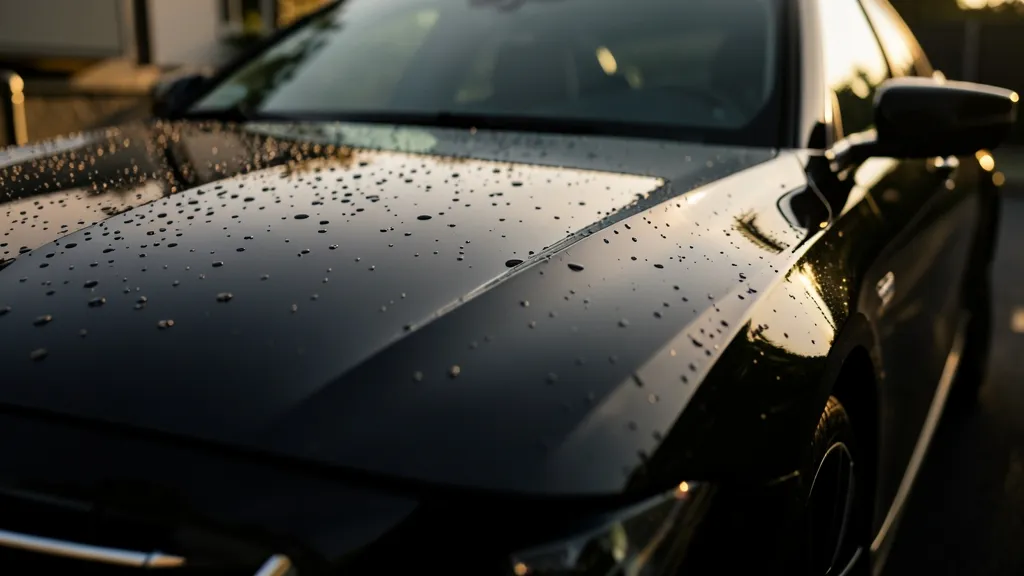
Achieving a mirror-like finish before ceramic coating isn’t just about skill—it’s about the right tools. Polishing pads are the unsung heroes that remove imperfections and prep paint for maximum adhesion and longevity. In San Jose’s sunny climate, proper prep is non-negotiable for lasting protection.
Why Polishing Pads Matter Before Ceramic Coating
Ceramic coatings bond permanently to your vehicle’s clear coat. If the surface isn’t flawless, imperfections get locked in forever. Polishing pads remove swirls, scratches, and oxidation to create the ideal substrate.
San Jose’s intense UV exposure accelerates paint degradation. Polishing restores clarity and depth, ensuring the coating adheres evenly and enhances gloss rather than masking flaws.
Types of Polishing Pads and Their Roles
Foam pads are the most common, available in cutting, polishing, and finishing grades. Cutting pads (orange/black) tackle heavy defects, while finishing pads (white/blue) refine the surface to a high-gloss shine.
Wool pads offer aggressive cutting power for deep scratches or severe oxidation, but they’re less common in modern paint correction due to their potential to induce holograms if mishandled.
Microfiber pads are a newer innovation, offering a balance of cut and finish with less heat buildup. They’re ideal for softer paints or delicate areas like edges and curves.
| Pad Type | Cutting Power | Best For | Notes |
|---|---|---|---|
| Wool | Very High | Heavy oxidation, deep scratches | Risk of holograms; requires experience |
| Foam (Cutting) | High | Moderate defects, swirl marks | Orange/black; pair with compound |
| Foam (Polishing) | Medium | Light defects, enhancing gloss | Yellow/green; use with polish |
| Foam (Finishing) | Low | Final refinement, jewelry-like shine | White/blue; ultra-fine abrasives |
| Microfiber | Medium-High | All-around correction, sensitive paints | Low heat; less dusting |
Matching Pads to Paint Correction Stages
Paint correction is a multi-step process. Start with a cutting pad and compound to remove deep defects, then switch to a polishing pad and finer abrasive to refine the surface.
The final step uses a finishing pad to eliminate micro-scratches and holograms, leaving a surface ready for ceramic coating. Skipping steps risks leaving behind visible flaws.
Always test a small area first. San Jose’s heat can cause paint to cure differently, and some vehicles (especially darker colors) may require gentler pads to avoid burning through the clear coat.
How Pad Condition Affects Results
Worn or clogged pads lose effectiveness and can introduce new scratches. Replace pads when they harden or when product buildup reduces their ability to hold abrasives.
Clean pads between steps with a dedicated pad cleaner or compressed air. This prevents cross-contamination and ensures consistent cutting power.
Never use a dry pad on paint. Always apply a lubricant (water or polish) to prevent marring and excessive heat, which can damage the clear coat.
Polishing Pads and San Jose’s Unique Challenges
San Jose’s dry climate and high UV index mean vehicles here often suffer from oxidation and water spots. A wool or heavy-cutting foam pad may be necessary to remove these stubborn defects before coating.
For vehicles near the coast, like those in Santa Clara or Sunnyvale, salt air can etch paint. A two-step correction process with progressive pads ensures all contamination is removed.
Polishing Pads vs. Hand Polishing: Why Machines Win
Dual-action polishers (DA) or rotary buffers distribute pressure evenly, allowing pads to work efficiently. Hand polishing can’t match the speed or consistency, especially on larger panels.
DA polishers are safer for beginners, as they’re less likely to cause burns or holograms. Rotary buffers offer more power but require a skilled hand—critical for high-end paint correction in Milpitas or Cupertino.
Post-Polishing: The Final Steps Before Ceramic Coating
After polishing, the surface must be thoroughly cleaned to remove all oils, polish residues, and dust. A panel wipe with isopropyl alcohol or a dedicated prep solution ensures a contaminant-free surface.
Inspect the paint under multiple light sources to confirm no defects remain. This step is critical—any missed imperfection will be permanently sealed under the ceramic coating.
Pre-Coating Inspection Checklist
- Wash and decontaminate the vehicle with clay bar
- Perform multi-stage paint correction with appropriate pads
- Wipe down panels with isopropyl alcohol (70% or higher)
- Inspect under halogen, LED, and sunlight
- Address any remaining defects before coating application
How to Choose the Right Polishing Pad for Your Vehicle
Selecting the correct pad ensures efficient correction without damaging your paint.
- 1Assess the Paint Condition
Check for deep scratches, oxidation, or water spots. Heavy defects require cutting pads; light swirls need finishing pads.
- 2Match the Pad to the Compound or Polish
Cutting compounds pair with cutting pads, while fine polishes work with finishing pads. Mismatching can lead to poor results or excessive work.
- 3Consider Your Vehicle’s Paint Hardness
Softer paints (common on Asian vehicles) benefit from microfiber or foam pads. Harder paints (European/German) may need wool or aggressive foam for initial correction.
- 4Test on a Small Area
Always perform a test spot to gauge the pad’s effectiveness and adjust your approach. This is especially important in San Jose’s varied microclimates.
- 5Monitor Pad Condition
Replace pads when they become clogged or glazed. A fresh pad ensures consistent performance and prevents inflicting new scratches.
Frequently Asked Questions
Can I reuse polishing pads for ceramic coating prep in San Jose?
Reusing pads is possible if they’re thoroughly cleaned and still in good condition. However, for professional results, we recommend using fresh pads for each correction stage to avoid cross-contamination and ensure optimal performance.
How do I know if my paint needs wool pads or foam pads?
Wool pads are best for severe oxidation or deep scratches, common in older vehicles or those exposed to San Jose’s sun. Foam pads are ideal for most modern paint correction tasks, offering a balance of cut and control without the risk of holograms.
What’s the difference between a polishing pad and a finishing pad?
Polishing pads (often yellow or green) are designed for intermediate correction, removing moderate defects. Finishing pads (white or blue) use ultra-fine abrasives to refine the surface to a high-gloss, scratch-free finish before ceramic coating.
Do I need different pads for different parts of my vehicle?
Yes. Curved panels, edges, and tight areas (like around emblems) may require smaller or more flexible pads, such as microfiber or small foam pads, to ensure even correction without missing spots.
How does paint correction with polishing pads benefit ceramic coating longevity?
Proper paint correction removes contaminants and imperfections that can prevent the ceramic coating from bonding fully. A perfectly prepped surface ensures the coating adheres evenly, lasts longer, and provides maximum UV and chemical resistance—critical in San Jose’s climate.
Can I apply ceramic coating without paint correction in San Jose?
While possible, skipping paint correction risks sealing in swirls, scratches, or oxidation. The coating will amplify these flaws, leading to a lackluster finish. For the best results, always correct the paint first, whether in San Jose, Campbell, or Cupertino.