Understanding the Science Behind Ceramic Coating Degradation in Ceramic Coating San Jose, CA
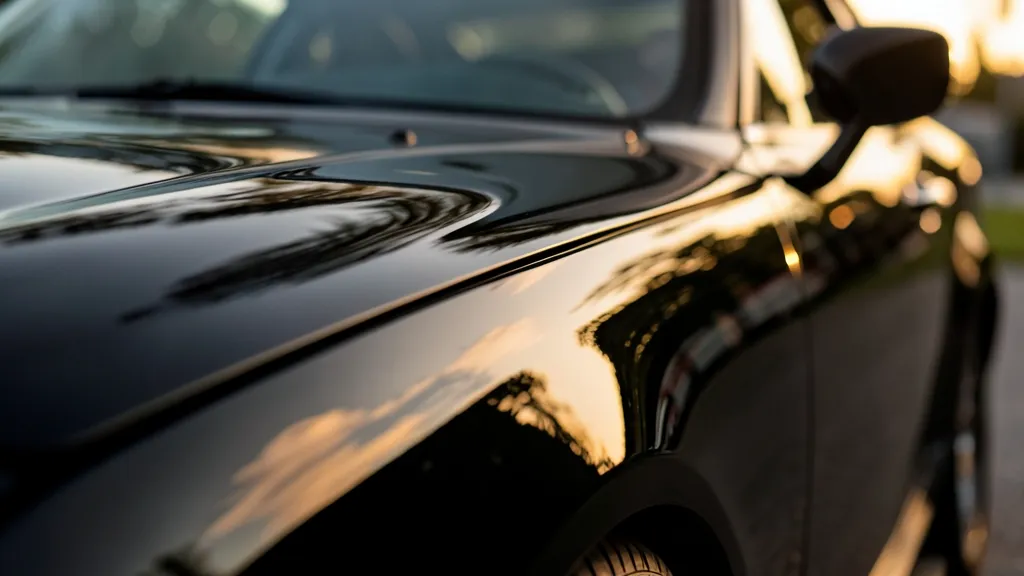
Ceramic coatings don’t last forever, even in ideal conditions. In San Jose’s sunny, dry climate, UV exposure and temperature swings accelerate breakdown at a molecular level. We break down the chemistry and local factors that shorten your coating’s life—and how to fight back.
What Ceramic Coatings Are Made Of
Most automotive ceramic coatings use a silicon dioxide (SiO2) or titanium dioxide (TiO2) base suspended in a solvent. Once applied, the solvent evaporates, and the remaining nanoparticles form a cross-linked matrix that bonds to your clear coat.
This matrix creates a hydrophobic, glass-like layer that repels water, contaminants, and minor scratches. The density of this network determines durability, gloss, and resistance to environmental damage.
How UV Radiation Breaks Down the Bond
San Jose averages over 260 sunny days per year. Prolonged UV exposure triggers photo-oxidation, where UV photons break the silicon-oxygen (Si-O) bonds in the coating. This weakens the matrix, reducing hydrophobicity and gloss over time.
The effect is cumulative. Even high-quality coatings like Gyeon or Ceramic Pro degrade faster here than in cloudier climates. Regular maintenance can slow this process but won’t stop it entirely.
No ceramic coating is 100% UV-proof. In San Jose, expect visible degradation within 2–4 years without PPF or frequent reapplication.
Thermal Cycling: San Jose’s Hidden Coating Killer
Daytime highs in the 80s or 90s followed by cool 50-degree nights create thermal stress. The coating expands and contracts, micro-fracturing the cross-linked layer. Over time, these fractures let contaminants penetrate deeper.
This is worse for dark-colored vehicles, which absorb more heat. Parking in garages or using PPF in areas like Sunnyvale or Milpitas can mitigate the effect.
Environmental Contaminants and Chemical Attack
San Jose’s dry air means more dust, pollen, and brake dust sticking to your paint. These particles are abrasive and can scratch the coating’s surface, especially if washed improperly. Bird droppings and tree sap are acidic and etch the layer if left too long.
Even water spots from hard water (common in Santa Clara County) leave mineral deposits that degrade hydrophobicity. A pH-balanced car shampoo and prompt decontamination are critical.
| Contaminant | Effect on Coating | Mitigation |
|---|---|---|
| UV Radiation | Breaks Si-O bonds, reduces gloss | PPF, regular wax top-ups |
| Brake Dust | Abrasive, causes micro-scratches | Frequent washing, iron remover |
| Bird Droppings | Acidic, etches surface | Immediate removal, pH-neutral cleaner |
| Hard Water | Mineral deposits, dulls finish | Deionized water rinse, spot-free drying |
The Role of Improper Application and Prep
A ceramic coating is only as good as the surface it’s applied to. Skipping paint correction or polishing leaves swirls, oxidation, or embedded contaminants that prevent proper bonding. In San Jose, dusty conditions make thorough prep even more critical.
DIY applications often fail due to uneven layering or insufficient curing time. Professional installers in Campbell or Cupertino use controlled environments to avoid these pitfalls.
Pre-Application Must-Dos
- Full paint decontamination (clay bar, iron remover)
- Paint correction to remove swirls and oxidation
- Alcohol wipe-down to remove oils and residues
- Controlled environment (low dust, stable temperature)
How to Tell Your Coating Is Degrading
The first sign is reduced water beading. Instead of forming tight, round beads, water starts to sheet or flatten. This indicates the hydrophobic layer is wearing thin.
Other red flags: duller gloss, increased dirt adherence, and visible swirl marks that were previously hidden. In severe cases, you may notice oxidation or fading, especially on horizontal surfaces like hoods and roofs.
Spritz water on a coated panel. If it beads tightly and rolls off, your coating is still active. If it sheets or lingers, it’s time for maintenance or reapplication.
Extending Your Coating’s Lifespan in San Jose
Regular washing with a pH-neutral shampoo removes contaminants before they bond. Use the two-bucket method to avoid swirls. Every 3–6 months, apply a ceramic-boosting spray or detailer to refresh hydrophobicity.
For maximum protection, pair your coating with PPF on high-impact areas like the front bumper, hood, and fenders. This combo is popular among fleet and commercial vehicle owners in Milpitas and Santa Clara.
How to Inspect Your Ceramic Coating for Degradation
A quick at-home check can reveal whether your coating is still performing.
- 1Wash the Vehicle
Start with a thorough wash using a pH-neutral car shampoo to remove surface contaminants. Dry completely with a microfiber towel.
- 2Perform the Water Bead Test
Mist a small section of the paint with water. Observe how the water behaves—tight beads mean the coating is intact.
- 3Check for Hydrophobicity
Use a spray bottle to apply water to a vertical panel. If it sheets off quickly, the coating is still effective. If it clings, it’s degrading.
- 4Inspect for Gloss and Clarity
Compare the coated areas to uncoated ones (like door jambs). A noticeable drop in gloss or haziness signals degradation.
- 5Look for Contaminant Bonding
Run your fingers over the surface after washing. If it feels rough or gritty, embedded contaminants may be breaking down the coating.
Frequently Asked Questions
Why does my ceramic coating last shorter in San Jose than in other areas?
San Jose’s high UV index, thermal cycling, and dry, dusty conditions accelerate degradation. The combination of intense sunlight and temperature swings breaks down the coating’s molecular bonds faster than in milder climates.
Can I apply a new ceramic coating over a degrading one?
No. The old coating must be fully removed through polishing or compounding before applying a new layer. Skipping this step prevents proper bonding and reduces the new coating’s effectiveness.
Does ceramic window tint degrade the same way as paint coatings?
Yes, but slower. Window tint is exposed to the same UV and thermal stress but benefits from being vertical (less direct abrasion). Expect 5–7 years of performance with proper care.
Is Paint Protection Film (PPF) a better option for San Jose’s climate?
PPF excels at protecting against scratches and rock chips but lacks the self-cleaning and gloss-enhancing properties of ceramic coatings. Many locals combine both: PPF on high-impact areas and ceramic coating everywhere else.
How often should I reapply ceramic coating in Ceramic Coating San Jose?
Professional-grade coatings typically last 2–5 years here. Reapply when water beading and hydrophobicity noticeably decline. Boosting with a ceramic spray every 3–6 months can extend the interval.
Can wheel and brake caliper ceramic coatings degrade faster?
Absolutely. Wheels and calipers endure extreme heat, brake dust, and road grime. Their coatings often degrade in 1–2 years without meticulous cleaning. Regular wheel-specific ceramic boosters help.